
Badal Umrah ialah ibadah Umrah yang ditunaikan oleh seseorang bagi pihak orang lain — biasanya arwah yang telah meninggal dunia, atau mereka yang tidak lagi mampu mengerjakannya sendiri kerana uzur yang kekal. Panduan ini menjelaskan maksudnya, hukumnya dalam Islam, syarat-syaratnya, dan lafaz niat yang betul.
Apa Itu Badal Umrah?
Perkataan badal dalam bahasa Arab bermaksud “ganti” atau “pengganti”. Dalam konteks ibadah, Badal Umrah bermakna seorang Muslim yang telah menunaikan Umrah untuk dirinya sendiri mengerjakan Umrah sekali lagi, kali ini dengan niat bahawa pahalanya dihadiahkan kepada orang lain.
Yang berubah bukanlah rukun ibadah itu — tawaf, sa’i, tahallul semuanya dilaksanakan seperti biasa. Yang berubah hanyalah niat. Pelaksana melafazkan niat atas nama penerima, dan sejak saat itu ibadah tersebut dikira untuk penerima, bukan untuk dirinya.
Hukum Badal Umrah Dalam Islam
Badal Umrah adalah harus dan sah menurut jumhur ulama, dan diterima oleh keempat-empat mazhab. Dalilnya diambil daripada hadis sahih berkaitan Badal Haji, dan Umrah diqiyaskan kepadanya kerana kedua-duanya adalah ibadah yang sama sifatnya.
Daripada Ibn ‘Abbas RA, seorang wanita dari Khath’am bertanya kepada Rasulullah ﷺ tentang bapanya yang telah tua dan tidak mampu duduk di atas tunggangan. Baginda ﷺ menjawab:
“Tunaikanlah Haji bagi pihaknya.”
Riwayat al-Bukhari dan Muslim
Hadis ini menjadi asas kepada keharusan seseorang menunaikan ibadah bagi pihak orang lain yang tidak berkemampuan — sama ada kerana uzur yang kekal semasa hayatnya, atau kerana telah meninggal dunia.
Syarat-Syarat Badal Umrah
Terdapat beberapa syarat yang perlu dipenuhi supaya Badal Umrah itu sah:
- Pelaksana mesti sudah menunaikan Umrah untuk dirinya sendiri. Ini syarat yang paling kerap terlepas pandang, dan ia mempunyai dalil yang khusus (lihat di bawah).
- Niat mesti menyebut nama penerima. Tanpa penyebutan nama dalam niat, ibadah itu kembali menjadi Umrah untuk pelaksana sendiri.
- Penerima mesti layak — sama ada telah meninggal dunia, atau menghidap uzur yang kekal dan tidak dijangka pulih.
- Satu Umrah untuk satu orang. Satu ibadah Umrah tidak boleh dikongsi antara dua penerima; setiap arwah memerlukan Umrah yang berasingan.
Mengenai syarat pertama, terdapat hadis yang jelas. Rasulullah ﷺ terdengar seorang lelaki melafazkan “Labbaika ‘an Syubrumah”. Baginda bertanya siapakah Syubrumah, lalu lelaki itu menjawab bahawa dia seorang kerabatnya. Baginda ﷺ bertanya sama ada dia telah menunaikan Haji untuk dirinya sendiri. Apabila lelaki itu menjawab belum, Baginda ﷺ bersabda:
“Tunaikanlah untuk dirimu dahulu, kemudian tunaikanlah bagi pihak Syubrumah.”
Riwayat Abu Dawud dan Ibn Majah
Niat Badal Umrah Untuk Arwah
Niat dilafazkan ketika berihram di miqat, sebelum memasuki Makkah. Lafaznya menyebut nama penerima secara jelas:
لَبَّيْكَ اللَّهُمَّ عُمْرَةً عَنْ …
“Labbaikallahumma ‘umratan ‘an [nama penerima]”
“Aku sambut panggilan-Mu, ya Allah, dengan Umrah bagi pihak [nama].”
Bagi arwah, sesetengah keluarga menambah “almarhum” atau “almarhumah” sebelum nama. Ini bukan syarat sah — yang menjadi syarat ialah penyebutan nama penerima itu sendiri. Sekiranya berlaku kesilapan kecil pada sebutan atau gelaran, ibadah tersebut tetap sah selagi niat dan nama itu jelas.
Siapa Yang Boleh Menerima Badal Umrah?
- Arwah yang telah meninggal dunia. Tiada had masa — Badal Umrah boleh ditunaikan walaupun arwah telah lama meninggal dunia.
- Mereka yang menghidap uzur yang kekal. Contohnya kegagalan buah pinggang peringkat akhir, kegagalan jantung, kelumpuhan, atau keuzuran tua yang menghalang perjalanan.
- Mereka yang sakit tenat dan tidak lagi mampu mengembara untuk menunaikan Umrah sendiri.
Penyakit sementara tidak melayakkan Badal. Seseorang yang dijangka pulih tetap bertanggungjawab menunaikan Umrah sendiri apabila sihat. Ini perbezaan penting yang kerap disalahfahami.
Beza Badal Umrah dan Badal Haji
Badal Umrah boleh dilaksanakan sepanjang tahun, kerana Umrah tidak terikat pada musim. Badal Haji pula hanya boleh ditunaikan sekali setahun, pada musim Haji di bulan Zulhijjah.
Perbezaan yang lebih penting terletak pada tanggungjawab. Bagi arwah yang mampu menunaikan Haji semasa hayatnya tetapi tidak sempat melakukannya, Badal Haji menjadi tanggungjawab waris sebelum pengagihan harta Faraid. Badal Umrah tidak menggantikan kewajipan itu. Kedua-duanya adalah amalan yang baik, tetapi hanya satu daripadanya merupakan hutang yang perlu dilunaskan.
Menunaikan Badal Umrah Bersama Badal.sg
Badal.sg menguruskan Badal Umrah sepanjang tahun untuk keluarga di Singapura. Setiap pelaksanaan diselia oleh asatizah bertauliah di bawah Asatizah Recognition Scheme (ARS) MUIS, dan dilaksanakan oleh Mutawwif yang menetap di Makkah.
Setiap tempahan menerima bukti pelaksanaan: foto individu Mutawwif semasa ibadah, rakaman video bersarikata Melayu atau Inggeris, dan e-sijil peribadi atas nama arwah. Pakej bermula dari S$430.
Badal Umrah Explained — Full English Guide
Panduan penuh dalam bahasa Inggeris di bawah. The complete English guide follows below.
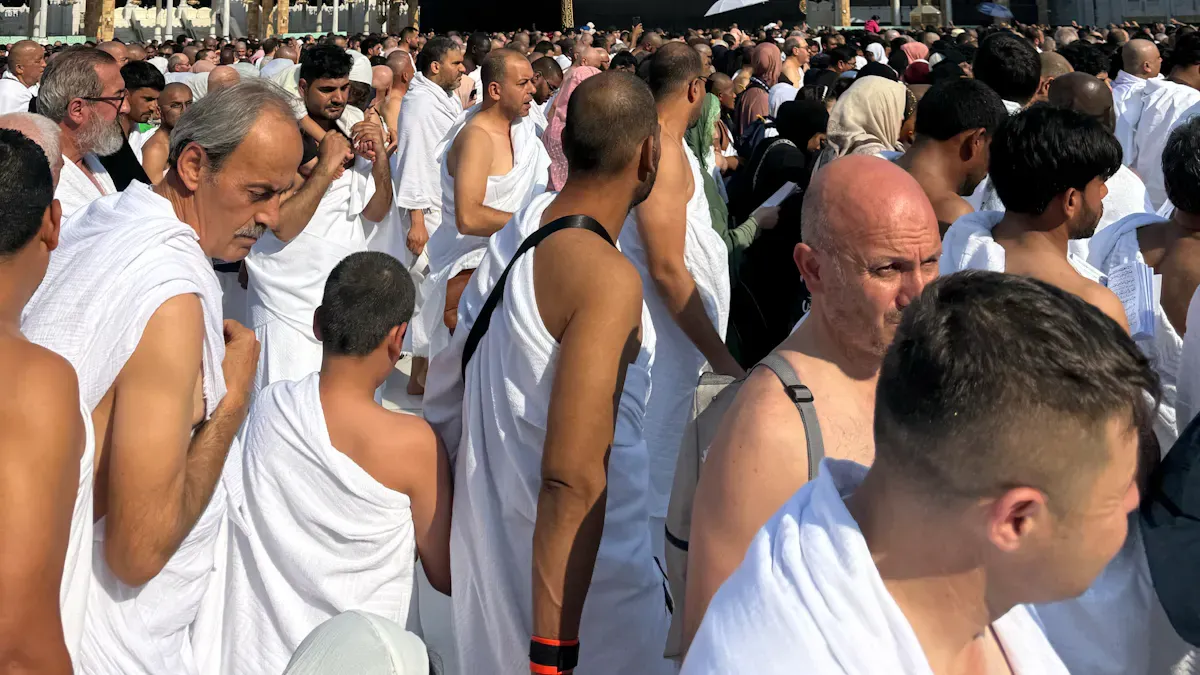
Badal Umrah means you perform Umrah for someone who cannot do it themselves. Islamic teachings call this act Al-Niyabah fi al-Hajj wal-Umrah. You show kindness and selflessness by helping another Muslim complete this important worship. The Prophet Muhammad told his followers to perform Hajj and Umrah for those who are unable, as found in authentic hadiths. You and the person you help both receive spiritual rewards. People who are sick, elderly, or have passed away often need someone to do Badal Umrah for them.
Key Takeaways
Badal Umrah allows you to perform Umrah for someone unable to do it themselves, showing kindness and selflessness.
This act brings spiritual rewards to both you and the person you represent, strengthening your connection with Allah.
You must have completed your own Umrah and have a clear intention to perform Badal Umrah for another person.
Follow specific steps and conditions to ensure your Badal Umrah is sincere and accepted in Islam.
Always seek permission from the family of the person you represent, especially if they have passed away.
What is Badal Umrah
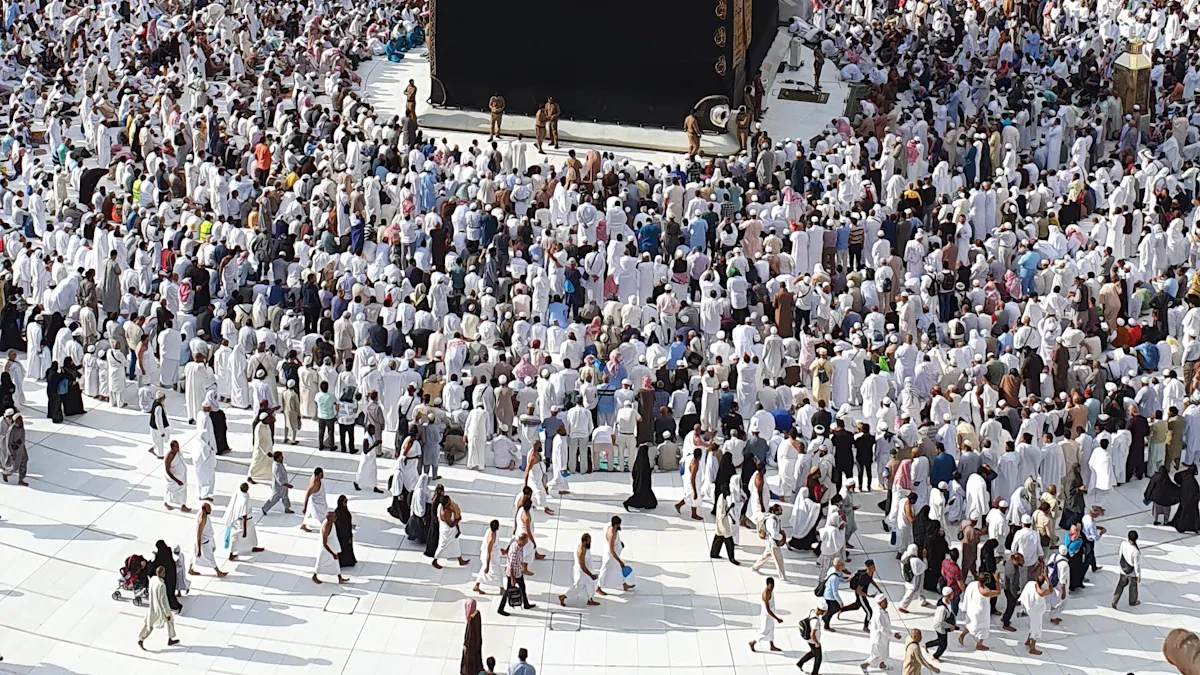
Meaning of Badal and Proxy Pilgrimage
You may wonder what “Badal” means in the context of Islamic worship. “Badal” refers to acting as a substitute or deputy for someone else. When you perform a pilgrimage on behalf of another person, you take on the role of a proxy. In Islam, this is called a proxy pilgrimage. You step in for someone who cannot travel to Makkah due to illness, old age, or even death.
Islamic teachings support this act. The Prophet Muhammad (peace be upon him) allowed people to perform Hajj and Umrah for others. For example, the Hadith of Abu Razin al-Uqayli tells how the Prophet permitted a man to perform Hajj and Umrah for his elderly father. Another hadith describes a woman who performed Hajj for her weak father with the Prophet’s approval. These examples show that you can help others fulfill their religious duties when they cannot do so themselves.
How Badal Umrah Differs from Regular Umrah
You might ask how Badal Umrah is different from regular Umrah. The main difference lies in who benefits from the pilgrimage. In regular Umrah, you perform the rituals for yourself. In Badal Umrah, you perform them for someone else who cannot go.
Here are the main differences according to Islamic scholars:
The obligation of Hajj is personal and cannot be transferred.
Umrah, as a voluntary act, can be performed for others under specific conditions.
You can see the differences more clearly in the table below:
Aspect | Badal Umrah | Regular Umrah |
|---|---|---|
Nature | Voluntary act performed on behalf of another | Personal act of worship |
Eligibility | Can be performed for someone unable to do it | Must be performed by the individual |
Obligation | Not obligatory | Not obligatory, but highly recommended |
When you perform Badal Umrah, you act as a deputy for someone who cannot complete the journey. This is different from Hajj, which remains a personal obligation. You follow the same steps as regular Umrah, but your intention is to earn the reward for another person. This act shows kindness and helps keep the spirit of worship alive for those who cannot travel.
You may find that Badal Umrah brings spiritual rewards to both you and the person you represent. It is a unique way to connect with others and fulfill an important religious duty.
Spiritual Significance of Badal Umrah

Compassion and Selflessness in Islam
You find many teachings in Islam that encourage you to help others. When you perform Badal Umrah, you show deep compassion. You step forward to help someone who cannot travel to Makkah. This act reflects the value of selflessness. You put another person’s needs before your own. The Prophet Muhammad often praised those who supported others in worship.
When you perform a pilgrimage for someone else, you give them a gift that they cannot give themselves.
Islam teaches you to care for the sick, the elderly, and those who have passed away. Badal Umrah lets you serve these people in a special way. You become a bridge between them and the sacred rituals of Umrah. This act brings you closer to the values of mercy and kindness that Islam holds dear.
Spiritual Benefits for Both Parties
You may wonder how Badal Umrah benefits both you and the person you represent. When you perform this act, you earn spiritual rewards. You gain the blessings of helping another Muslim fulfill a religious duty. The person who receives Badal Umrah also gains the reward of the pilgrimage.
Here are some key spiritual benefits:
You strengthen your connection with Allah by helping others.
You receive prayers and gratitude from the person you represent or their family.
You experience a sense of fulfillment and inner peace.
The recipient gains the reward of Umrah, even if they cannot travel.
Many scholars say that Badal Umrah acts as a spiritual bridge. You carry the hopes and prayers of another person to the holy sites. This act creates a bond between you and the recipient. Both of you share in the blessings and mercy that come from this sacred journey.
Think of Badal Umrah as a gift of worship. You give someone the chance to complete a pillar of faith, and you receive the joy of serving others.
You find that this act brings emotional comfort as well. Families often feel relief and happiness when they know their loved one’s religious duty is fulfilled. You help create lasting spiritual connections that go beyond distance and time.
Who Can Perform and Receive Badal Umrah
Eligibility of the Performer
You must meet certain requirements before you perform Badal Umrah for someone else. Islamic scholars agree that you need to be a Muslim and have a clear mind. You should have already completed your own Hajj or Umrah. You must be physically strong and able to travel. You also need to make a clear intention that you are doing the Umrah for another person. Expenses for the journey should come from the person you represent if possible.
Here is a table that shows the main criteria:
Criteria | Description |
|---|---|
Muslim and Sane | You must be a Muslim and of sound mind to perform the rituals correctly. |
Capable of Performing Umrah | You should have previously performed your own Hajj or Umrah and be physically and financially capable. |
Explicit Intention (Niyyah) | You need a clear intention that the Umrah is for the designated person only. |
Financial Clarity | Ideally, the expenses should be covered by the person on whose behalf the Umrah is performed. |
Who Qualifies for Badal Umrah
You can perform Badal Umrah for people who cannot travel to Makkah. This includes those who are sick, elderly, or have passed away. You may also help someone who faces permanent disability. Sons, daughters, spouses, or siblings often act as proxies. If no relative is available, a trained guide or appointed representative can step in. Some agencies help families by finding a qualified proxy and handling paperwork.
The table below explains who can act as a proxy:
Type of Proxy | Description |
|---|---|
Relatives | Sons, daughters, spouses, or siblings may perform Umrah Badal. |
Qualified proxy | A trained guide or appointed representative can perform if no relative is available. |
Agency coordination | Agencies can coordinate a vetted proxy and manage documentation securely. |
Tip: You should always check with a trusted scholar or agency before choosing a proxy.
Conditions and Restrictions
You must follow certain rules when you perform Badal Umrah. You cannot do it for someone who is able to travel but chooses not to. You must make the intention clear before starting the rituals. You should not mix your own Umrah with the one you do for another person. You need to respect the wishes of the person or their family. You must keep records and proof of completion if required.
You find that following these conditions helps keep the act sincere and accepted in Islam. You show respect for the person you represent and honor their religious duty.
How to Perform Badal Umrah
Preparations and Intentions
You start your journey by preparing both your mind and body. First, learn about the steps of Umrah so you know what to expect. Make sure you have a clear intention to perform Badal Umrah for the person you represent. This intention, called niyyah, should be sincere and only for the sake of Allah. At the Meeqat, which is a set place for making intention, you say out loud that you are doing Umrah on behalf of someone else. You should also check if you need any special permission or documents, especially if you are acting as a proxy for someone who cannot travel.
The Ministry of Hajj and Umrah in Saudi Arabia requires that people who cannot perform Hajj or Umrah due to illness or disability, but have the means, must appoint a suitable proxy. Some Islamic schools even say this becomes an obligation if you can find a proxy.
Performing the Rituals
You must follow the official steps of Umrah in the correct order. Here is a simple list to guide you:
Take a bath and wear Ihram clothing.
Recite the Talbiya prayer.
Make your niyyah at the Meeqat for the person you represent.
Enter Makkah and perform Tawaf by walking around the Kaaba seven times.
Complete Sa’i by walking between Safa and Marwah.
Cut or shave your hair (Halq or Taqsir).
Pray to Allah to accept the Umrah and give the reward to the intended person.
Each step must be done with care and respect. You should not mix your own Umrah with the one you do for another person.
Documentation and Proof
You may need to keep records to show you completed Badal Umrah. This is important for families or agencies who want proof. Here is a table to help you understand what documents you might need:
Description | |
|---|---|
Beneficiary identification | Full name, date of birth, and relation to you. |
Consent or family authorization | Signed note or email for living people; family approval for deceased. |
Service agreement | Details about fees, proxy name, and communication method. |
Payment proof | Bank transfer or receipt for your records. |
Completion note and certificate | A note or certificate with the beneficiary’s name and date. |
You should keep these documents safe. They help confirm that you performed the Umrah as a proxy and followed all the rules.
Common Misconceptions
Validity and Acceptance
You may hear many ideas about Badal Umrah that are not true. These misunderstandings can confuse you and others who want to help loved ones. Here are some of the most common misconceptions and the facts you should know:
Umrah Badal absolves the original person of a missed obligation.
In reality, Umrah is a voluntary act (sunnah). It is not an obligation like Hajj. If you perform Badal Umrah, you do not erase a missed duty for the person you represent. You offer a gift of worship, not a replacement for a required act.You can perform one Umrah for your entire family.
Islamic teachings say you must perform each Umrah for one person only. You cannot combine intentions for many people in one trip. If you want to help more than one person, you need to perform separate Umrahs for each.The performer gets no reward.
This is not true. When you perform Badal Umrah, you earn great reward from Allah. You show kindness and help another Muslim. Both you and the person you represent receive blessings.It is exactly like performing Hajj for someone.
Badal Umrah and Hajj Badal are not the same. Hajj Badal has strict rules and is only for those who cannot perform Hajj due to permanent reasons. Umrah Badal is more flexible and not obligatory.
Note: Always check with a trusted scholar if you have questions about the rules. This helps you avoid mistakes and ensures your act is accepted.
Who Is Eligible
You might wonder who can receive Badal Umrah or act as a proxy. Some people think anyone can ask for Badal Umrah, or anyone can perform it. This is not correct. You must follow certain rules:
Question | Correct Understanding |
|---|---|
Can you do Badal Umrah for someone who is healthy? | No. Only for those who are sick, elderly, disabled, or have passed away. |
Can you perform Badal Umrah if you have not done your own Umrah? | No. You should complete your own Umrah first. |
Can you do Badal Umrah for more than one person at a time? | No. Each Umrah must be for one person only. |
You should always make your intention clear and follow the proper steps. This keeps your worship pure and your efforts meaningful.
You discover that Badal Umrah holds deep spiritual meaning. This act lets you show compassion and help others fulfill their religious hopes. When you follow the right steps and act with sincerity, you honor both your faith and the person you represent. The spiritual bond you create lasts beyond the journey.
FAQ
What is the difference between Badal Umrah and Hajj Badal?
You perform Badal Umrah for someone who cannot do Umrah. Hajj Badal is for someone who cannot do Hajj. Hajj Badal has stricter rules. Umrah Badal is more flexible.
Can you perform Badal Umrah for more than one person in one trip?
No, you must perform each Umrah for one person only. If you want to help more people, you need to do separate Umrahs for each.
Do you need the family’s permission to perform Badal Umrah for someone who has passed away?
Yes, you should get permission from the family. This shows respect and avoids confusion. Always check with a scholar if you have questions.
What should you say when making the intention for Badal Umrah?
You say, “O Allah, I intend to perform Umrah on behalf of [person’s name].” You make this intention at the Meeqat before starting the rituals.
